Vineyards and wineries generate various by-products throughout the year, including vine shoots, grape skins, seeds and wine lees. These materials contain valuable compounds that can be recovered and used in new products.
Their valorisation offers opportunities for the wine industry and other sectors, such as cosmetics, food and biobased materials.
Vineyard residues and their potential
Vineyard maintenance and winemaking produce different types of residual biomass. Pruning generates vine shoots, while grape pressing and fermentation produce grape pomace, seeds, stems and wine lees.
These materials have different properties and potential uses. Vine shoots contain polyphenols, including resveratrol, which is valued for its antioxidant properties. Grape seeds can be processed to obtain oil, while grape skins and pomace contain compounds of interest for the food and cosmetics industries. Wine lees also contain potentially valuable substances, including amino acids and polysaccharides.
Several valorisation pathways are possible. Valuable compounds can be extracted for use in cosmetics or food ingredients, while other fractions can be used to develop biobased materials. Depending on their composition, residues may also be suitable for composting, biological conversion or energy recovery.
A cascade approach can combine these options by recovering high-value compounds first and exploring further uses for the remaining biomass.
Developing new value chains
Despite their potential, the valorisation of vineyard residues involves several challenges. Biomass availability and composition vary throughout the year, while collection, storage and processing can affect the economic feasibility of a project.
Collaboration between winegrowers, researchers and industrial partners is therefore important to develop viable solutions.
This is also one of the objectives of the Interreg North-West Europe VALORANT project, which explores new valorisation pathways for horticultural residues and supports the development of circular value chains.
Maison Éole: a concrete example from Wallonia
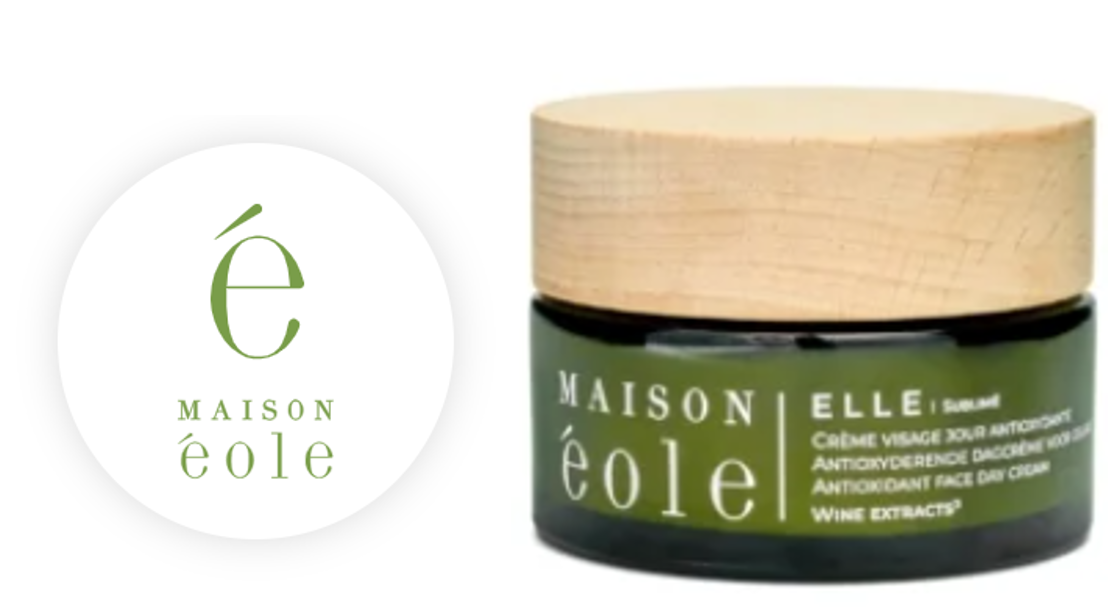
In Belgium, Maison Éole, a cosmetic brand developed around the Domaine du Chant d'Éole vineyard, shows how vineyard and winemaking by-products can be used to create skincare products.
The brand has developed a concept called Wine Extracts³, combining three vine-derived ingredients:
- Polyphenols extracted from vine shoots generated during pruning
- Beta-glucans and amino acids obtained from wine lees
- Grapeseed oil
These ingredients are incorporated into creams and serums, making use of the properties of compounds naturally present in the vine.
Maison Éole provides a concrete example of how vineyard residues can find applications beyond wine production. It also shows how cooperation between agriculture and other industries can create new opportunities for the valorisation of biomass.